Short Term Accommodation (STA) & Respite Care Campbelltown
Spring Farm, Campbelltown & Wollongong
Respite care Campbelltown families and participants rely on, also known as Short Term Accommodation (STA), provides short-term accommodation and support for people with disability. STA offers participants a safe and supported place to stay, while also giving carers the opportunity to rest, recharge, or focus on other responsibilities.
Alive4Life provides flexible respite care and STA support services that feel welcoming and enjoyable, with respite care services built around each participant's personal preferences and needs.

What is Respite & Short Term Accommodation (STA)?
Short Term Accommodation (STA), often referred to as respite, is an NDIS-funded support that provides temporary accommodation and assistance outside of a participant’s usual living arrangement.
Respite services may be used for a few hours, overnight stays, weeks, or planned periods of support. They can support participants to enjoy a change of environment, social connection, and meaningful activities in a safe setting with appropriate supervision throughout.
STA supports both participant wellbeing and carer sustainability by ensuring everyone involved has access to appropriate support.
How Alive4Life Supports You with Respite
Our respite services cover a wide array of care services, from personal care and daily tasks such as meals and physical assistance, through to social activities and community access. We recognise that every person's life is different, and that some situations can be challenging to manage without extra support.
Alive4Life provides flexible respite care that is welcoming and enjoyable, with supports shaped around each participant's goals and circumstances.
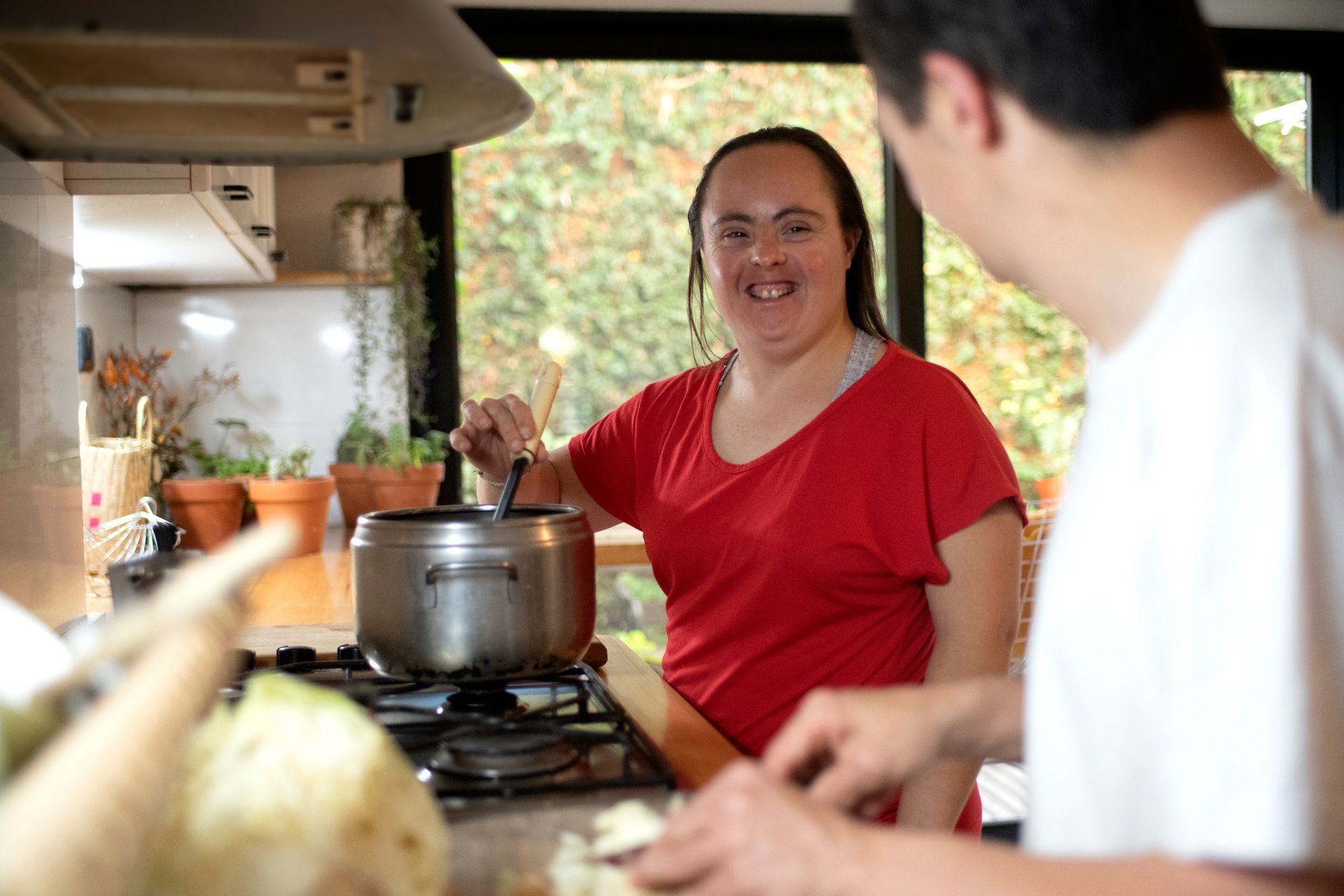
Who is Respite & STA Suitable For?
Respite and STA may be suitable if:
A participant requires short-term accommodation and support
Families or carers need a planned or temporary break
Children or adults with disability need support to maintain their routines while their usual carer is unavailable
A participant is transitioning between living arrangements
Additional short-term support is needed outside usual routines
STA can be accessed occasionally or as part of a regular support plan, depending on individual needs and NDIS funding.
Accessing Respite & STA Accommodation
Alive4Life works with participants to access suitable respite and STA accommodation options. All accommodation availability is managed through our central vacancies hub to ensure information remains accurate and up to date.
If you're unsure whether you can access respite care through your NDIS plan, our team can help you explore what services are available. Contact us to talk through your options and find the right fit for your situation.
NDIS Funding for Respite & STA
Respite and Short Term Accommodation are typically funded under Core Supports – Assistance with Daily Living, depending on your NDIS plan and individual circumstances.
Our team can assist you in understanding how STA funding works and how it fits alongside your other supports.
Respite & Short Term Accommodation (STA) FAQs
Is Short Term Accommodation (STA) funded by the NDIS?
Yes. STA is commonly funded under Core Supports, depending on your plan and individual needs.
Is STA the same as respite care?
Yes. STA is the NDIS term for respite and refers to short-term accommodation and support.
Can STA be planned in advance?
Yes. STA is usually planned ahead, allowing participants and families to prepare and choose suitable dates.
How long can an STA stay be?
STA stays typically range from overnight support to weekends or short-term arrangements, depending on funding and availability.
Will participants receive personalised support during STA?
Yes. Support during STA is tailored to individual needs and outlined in the participant’s support plan.
Can STA include activities or outings?
Where included in the plan, STA may include social activities or the opportunity to attend community activities and appointments.
What are the benefits of respite care for carers?
Respite care gives carers the opportunity to rest and recharge, which is essential for preventing burnout and sustaining quality care over the long term. Carer support through regular breaks also helps a carer caring for a loved one find time for their own self care and wellbeing. Beyond the practical break, respite also provides emotional relief, helping to reduce stress and feelings of isolation. There is real peace of mind knowing that your loved one is safe and well supported while you take time for yourself.
What settings can respite or STA be provided in?
Flexible respite care can be provided in a range of settings depending on the participant's needs and what is included in their NDIS plan. A respite stay may last just a few hours during the day, or extend to overnight or weekend arrangements. This may include in-home support, where a paid support worker comes to the participant's home while the usual carer takes a break, community or centre-based support during the day, or short-term residential accommodation such as an STA house.
How much does respite care cost?
Respite care costs depend on the type of support accessed and how your NDIS plan is structured. For most NDIS participants, STA and respite supports are funded under Core Supports, meaning costs are drawn from your plan rather than paid out of pocket. Our team can walk you through how your funding works and what your options are.
Enquire About Respite & STA
If you would like to discuss respite or Short Term Accommodation options, our team is here to help.

Let’s build the right support, together.
Whether you’re new to the NDIS or looking to change providers, we’re here to help you take the next step with confidence.